-
공유하기 선물하기


[CEO Focus] Companies expected to go public in 2026: Discord
In 2026, the IPO market will be divided into two segments: A 'blockbuster' year centered on AI startups
The trend of the IPO market in 2026 is reviving. It is not just a phase of resumption of listing. As AI and platform companies prepare to return to the public market, it is said that the market has entered the beginning of a new growth cycle. This year, large tech · It is likely to be the 'year of blockbuster IPOs' in which AI startups come to the fore.
Currently, at least eight US venture investment-based startups are preparing to go public. It has already submitted listing documents, started discussions with investment banks, or internally shared its IPO promotion plan. The IPO market managed to rebound last year, but due to tariff uncertainty and the aftermath of the U.S. government shutdown, some companies' schedules were delayed, leading to a significant accumulation of standby demand.
Investors' expectations are actually rising. SpaceX's potential listing is being discussed as a symbolic event. Elon Musk has also approved this.
Platform companies that have been unlisted for a long time, such as Discord and Strava, have also entered the listing track in earnest.
The key variable in this cycle is AI technology. As even super-large AI companies such as OpenAI and Anthropic are mentioned as candidates for mid- to long-term listings, the IPO market is moving beyond a simple liquidity event to a phase of 're-evaluating corporate value in the AI era'.
Investment banks and institutional investors believe that OpenAI and Anthropic will soon start selecting listing managers. The market is weighing the possibility that Anthropic will move first, but there are also observations that the actual listing of both companies may be moved to next year or later.
Teg Kapoor, head of ECM at JPMorgan Chase Tech, predicted, "There will be a huge demand for funds from companies that are considered essential assets representing the generation." However, even if a large IPO appears, it is predicted that it will not erode the demand for small tech IPOs.
Although it has not entered the formal process, highly-valued startups are also consistently mentioned as IPO candidates. Databricks, a database company, is recently valued at $134 billion and is considered a regular candidate for listing. With an additional $4 billion in financing and the sale of employee shares, the pressure to go public in the short term has eased.
Design software company Canva is in a similar situation. Last summer, it was recognized as a $42 billion enterprise value based on employee equity transactions, and COO Cliff Obrecht mentioned "the possibility of an IPO in the next few years."
In addition, ByteDance's potential mid- to long-term IPO is emerging again as regulatory issues surrounding TikTok in the United States are entering the final stage. In addition, Baidu's AI semiconductor subsidiary Kunlunxin is preparing to go public in Hong Kong.
In this series, we will look at the eight major candidate companies that have already entered the actual listing process from the perspective of management strategy. The eight companies are Discord, Strava, Kraken, Cerebras, Genesys, Lambda, Crusoe, and Verkada.
The first protagonist is Discord, which has created a new standard for community platforms.
Discord: From Gamer Voice Chat to 'Three Large Community Platforms'
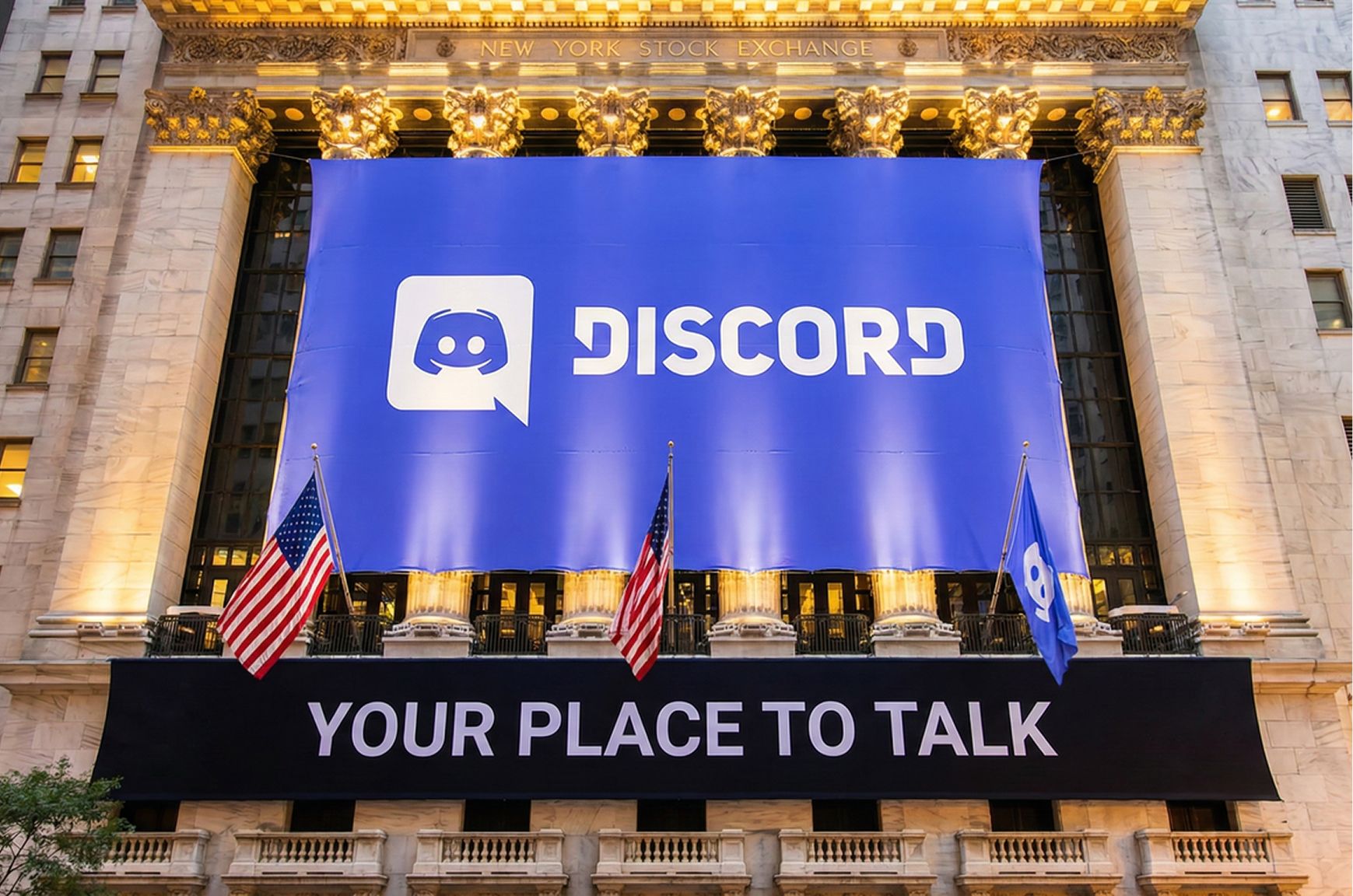
Discord, a San Francisco-based communication platform, is speeding up its initial public offering (IPO). However, this listing is not just an IPO of a social platform. It is more like a test of whether it can turn a community of 200 million people into 'profit' and whether it can prove a new platform model in the AI era.
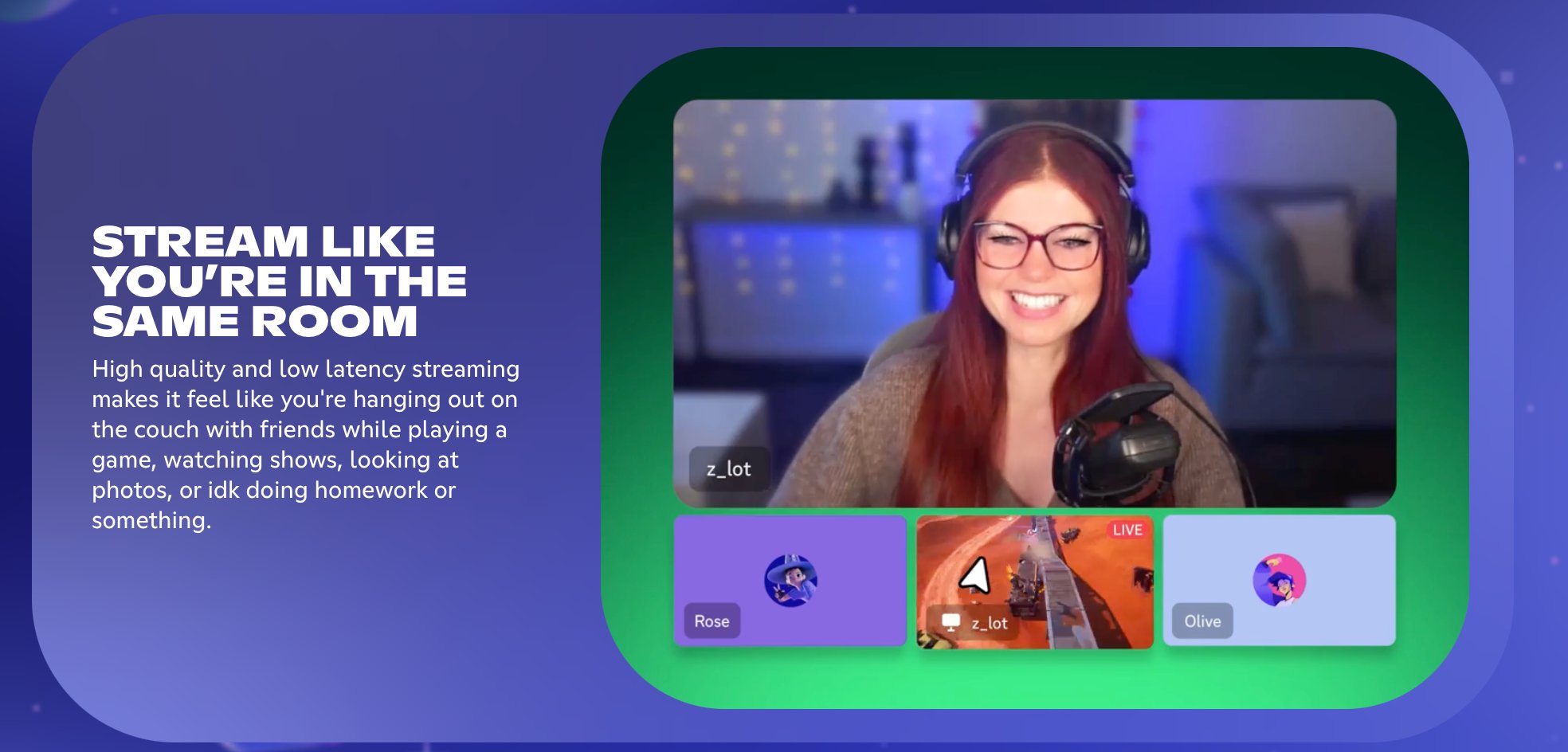
Discord, co-founded in 2015 by Jason Citron and Stanislav Vishnevskiy, started as a real-time voice chat tool for game users. However, Discord is no longer an 'app for gamers'. It has evolved into a communication hub that integrates voice, video, and text, and has become a 'real-time community operation infrastructure' that absorbs education, creators, corporate collaboration, and even a community of generative AI developers.
Currently, Discord has approximately 656 million registered users and over 200 million monthly active users (MAUs). The average daily stay time exceeds 100 minutes for American college students. This shows that it is not just a social networking site, but a platform for people to gather, collaborate, and produce content.
Estimated revenue in 2024 is around $700 million ~ $900 million, but ARPU is still low at around $3.5. This is why the market is paying attention to this company. This is because the user base has already been secured, but monetization is still open.
With this transition in mind, Discord hired Humam Sakhnini, a former Activision Blizzard, as CEO in April 2025. This is interpreted as a signal of a shift from a product growth-oriented organization to a profitability and operational efficiency-oriented system. It puts management team with experience in managing the open market environment after the IPO at the forefront.
In terms of financing, Discord is already among the ranks of large platforms. Global investors such as Dragonier, Tencent, Sony, Fidelity, Axel, and Gray Rock have participated and raised about $1.1 billion so far, and the IPO is led by Goldman Sachs and JPMorgan Chase. The market believes that the goal is to go public in the first quarter of 2026 at the earliest, or in the first half of the year at the latest.
However, investors' eyes are clear. "How quickly can we convert 200 million MAUs into advertising, subscriptions, and commerce?" Discord has been building user experience and community loyalty by minimizing the introduction of ads for a long time. The strategy was successful, but now that it is about to go public, it faces the problem of balancing the need to generate revenue without harming the user experience.
In the end, the questions asked by Wall Street are condensed into one.
Can Discord evolve beyond a simple 'community platform' into a collaborative and creative infrastructure in the AI era while simultaneously building a sustainable revenue model?

IPO Listing Status
On January 6, 2026, Bloomberg reported that Discord filed a private IPO filing with the U.S. Securities and Exchange Commission (SEC). Confidential filing is a method that allows companies to negotiate with the SEC in advance without disclosing financial information until just before going public, and is a recent preferred approach by large tech companies.
Discord has selected Goldman Sachs, a codeling-buster investment bank, and JPMorgan Chase as co-organizers. This is the result of full-fledged consultations with investment banks since March 2025. According to reports, it aims to list on the Nasdaq (NASDAQ) in March 2026, but the timeline may be flexible depending on market conditions.

4 major elements of Discord IPO
1. Management Rotation: The Layout for IPOs
In April 2025, Discord made a significant decision to change its management. Co-founder Jason Citron, who has led the company for 13 years, stepped down as CEO, and Humam Sakhnini, former vice chairman of Activision Blizzard, took over as the new CEO. Sahni is the owner of a career in growing operating profits from $600 million to $1.3 billion during his tenure as president of King Digital Entertainment, and has experience running large game franchises such as Call of Duty, World of Warcraft, and Candy Crush.
The market interprets the CEO change as a signal for an IPO. Citron himself once said, "Bringing in someone like Sahni is a step in that direction." Sahni has experience leading King Digital Entertainment as a public company, and is considered a suitable person to navigate the complexities of the public market after the IPO.
Co-founder Citron will remain a member of the board of directors and advisor to the CEO, while CTO Vishnevsky will continue to serve as head of technology.
2. Business Model and Revenue Structure
Discord's core source of revenue is the 'premium model'. Basic voice, video, and text functions are provided for free, and monetization is made through premium subscription services 'Nitro ($9.99 per month)' and 'Nitro Basic ($2.99 per month)'. Nitro subscribers can access enhanced features such as HD video streaming, custom emojis, increased file upload limits, and server boosting.
Recently, it has also entered the advertising business in earnest. Launched in 2024, 'Sponsored Quests' and 'Video Quests' are rewarded ad formats in which brands sponsor real-world gameplay, and are expected to be the second growth engine in addition to the subscription model. In 2025, it will launch mobile video quests and expand analytics partnerships such as AppsFlyer and Gamesight to solidify its advertising ecosystem.
However, Discord's average revenue per user (ARPU) is around $3.5 per year, which is significantly lower than Snap ($10) or Reddit ($6). Nitro's paid conversion rate is around 3~5%, and most users use the free service. This means that there is a lot of room for monetization, but it is also a risk in that open market investors will require proof of profitability.
3. Microsoft's refusal to take over and the road to independent listing
To understand Discord's IPO, we need to go back to 2021. At the time, Microsoft made an offer to acquire Discord worth about $12 billion (at least $10 billion), but the Discord board rejected it. It was judged that greater value could be realized through independent management and IPO.
In September of that year, it raised an additional $500 million led by Dragoneer Investment Group, achieving a corporate value of $14.7 billion.
However, as interest rates rose and the tech sector corrected afterwards, Discord's valuation in the market declined significantly. According to Forge Global, Discord's estimated enterprise value in October 2025 was approximately $6.6 billion, less than half of its peak in 2021. Some analysts say that if he had accepted the offer to buy Microsoft in 2021, he would have been able to exit at a higher price.
4. Valuation Outlook: Uncertainty Between $5 Billion ~ $25 Billion
Market opinions surrounding Discord's appropriate valuation are greatly divided.
As of March 2025, analysts estimated Discord's fair value to be in the range of $6.1 billion ~ $10.3 billion, applying a multiplier of 7~12 times compared to sales. On the other hand, in the secondary market, it is trading at about $250 per share, with an enterprise value of about $6.8 billion ~ $8 billion.
In the optimistic scenario, it is argued that if a 20~25 times multiple is applied to the estimated annual recurring revenue (ARR) of $800 million~900 million, it can be up to $25 billion. This is based on the logic that it is possible to expand AI and advertising revenue in comparison to Reddit's community platform premium. However, realistic expectations are likely to be formed in the range of 10 billion ~ 15 billion dollars.
Investment Points: Opportunities and Risks
As Discord's IPO comes into view, investors' attention is focused on one question. The question is whether the company can turn its strong user base into a stable profit model. The user growth story is clear, but the standards required by the market are much stricter.
First of all, the positive factors are clear. Discord is a large platform with over 200 million monthly active users (MAU), and the dwell time is overwhelming, especially among young people.
The fact that the average U.S. college student spends 117 minutes per day suggests that network effects and switching costs have already increased considerably. This is evaluated as a structural 'moat' that is difficult to move to competing services.
Changes in user configuration are also important points. The market predicts that the proportion of non-gamer users will exceed 55% by 2026. In particular, along with the generative AI craze, large AI communities such as Midjourney are using Discord as a key collaboration infrastructure, and the use of the platform is rapidly expanding. This means that the transition from a game-based service to a universal communication platform is becoming a reality.
In terms of monetization, the 'low current figure' is interpreted as an opportunity.
Discord's average revenue per user (ARPU) is about $3.5, which is the lowest in the industry. However, this also means that there is a lot of room for expansion of advertising, commerce, and subscription products. The 'Quest' advertising model that the company is experimenting with is also attracting attention. It is a method of providing rewards for users when they participate in gameplay or streaming activities, and is evaluated as a next-generation ad format with higher engagement than traditional banner ads.
However, the risks are also formidable. The biggest concern is still profitability. Discord has been in the red for a long time and has set a goal of breaking even in 2024, but it has not been confirmed whether it will officially turn into a profit. The fact that it cut about 17% of its workforce in the same year is also read as a sign of pressure on the cost structure.
The macro environment is also a variable. The possibility of a recurrence of federal government shutdowns, volatility in tariff policies, and discussions of government budget reductions are cited as factors that could shake investor sentiment in the IPO market as a whole.
Regulatory risks are also highlighted. The U.S. Attorney General of New Jersey has filed a lawsuit against Discord for inadequate child protection, and discussions are underway on youth protection regulations such as the 'Kids Off Social Media Act' at the federal level. Due to the nature of the platform, the high proportion of underage users may lead to future policy risks.
The competitive environment is also not easy. While existing communication powerhouses such as Slack, Microsoft Teams, Telegram, and WhatsApp are holding on, head-on competition is inevitable if Discord expands into the corporate collaboration market in earnest.
In the end, Wall Street's evaluation converges at this point. Discord has already proven to be a 'platform where people stay for a long time'. The remaining challenge now is how efficiently to convert that stay time into profit.
Why is Discord a test bed for tech IPOs in 2026?
Discord's IPO is expected to be a litmus test for the tech IPO market in 2026. It is expected to be the largest IPO in the gaming and interactive entertainment sector since its listing on Roblox in 2021, and investors will be watching closely to see how the community-based social platform will be evaluated in the open market.
The reason why Wall Street is paying attention to Discord's initial public offering (IPO) is not simply because of a company's listing. Wall Street's gaze goes beyond simply the success or failure of a company's listing to a bigger question.
"In the era of AI, what is the value of a platform company?"
The Discord IPO is expected to be the first public test of this very question. It is a large platform with 200 million users and an average of 117 minutes a day for American college students. However, the ARPU is only $3.5.
In other words, the question is, "Is growth enough?" As in the past, "Can the company's value be recognized only by a huge user base, or is immediate profitability necessary?" This is the question. The market's answer to this question will be the basis for all future growth platform IPOs.
In the end, the essence of Discord's IPO is not just a listing event, but more like a stage to validate the business model of a community platform in the AI era. Discord has already created a space where people stay the longest. The remaining task now is to spend that time in advertising, subscription, commerce, How to monetize with AI collaboration tools is a key issue.
In the age of AI, the definition of platforms is also changing. From the social platform that connected people to people, now people· 'Collaborative infrastructure' in which AI and communities work and create together is becoming the key.
The phenomenon of Midjourney, developer communities, and creator groups centered around Discord symbolizes this change. Discord is one of the first platforms to implement this structure.
The question is how compatible this new structure is with the profitability demanded by investors. Expanding advertising can hurt the user experience, and pushing for subscription conversion can weaken the openness of the community. Conversely, if monetization is delayed, sustainability is questioned in the open market. Discord is now in the stage of designing a balance between these two axes.
The Milk's question: After the Discord IPO, the price tag of platform companies will change
After the listing on Discord, the market's evaluation will be cold. If Discord successfully strikes this balance, the company could be re-evaluated not just as a chat app but as a foundational collaboration infrastructure and next-generation social operating system (OS) in the age of AI.
1. After the AI revolution, the era of MAU is over
So far, the value of platform companies has been driven by their growth stories represented by monthly active users (MAUs). It was the same logic that Discord was recognized for its $14.7 billion value in 2021. However, as we went through the era of high interest rates, the market's questions changed. Now, investors look at "how well they can earn" rather than "how many people spend".
The Milk predicts that starting in 2026, the primary evaluation criteria for platform companies will shift from MAU to ARPU growth rate and paid conversion rate. The era of platforms is not over. The era of 'platforms with many free users' is over.
2. Communities are now 'AI workspaces'
Discord has evolved from a simple gamer messenger to an AI developer community, a creator collaboration space, and a startup operation infrastructure. It's no coincidence that after the generative AI boom, numerous projects revolve around Discord.
The Milk believes that this change will be made official after the Discord IPO. Community platforms are likely to be reclassified as SaaS 2.0 rather than social media. This is because if it is a space where knowledge production and collaboration occur, it should be seen as work infrastructure, not entertainment.
3. The single profit model is now a discount factor
Meta type that only advertises, SaaS type that only subscribes, and Shopify type that only commerce. This single profit model structure will receive a discount in the market in the future. What Discord shows is a hybrid structure that combines advertising (quest), subscription (Nitro), and community economy. The Milk believes that this will not be an experiment, but a new standard for platform monetization.
The criteria for multiples will also change. In 2021, the price was determined by how big the market could be (TAM) and the growth story. In the future, ARPU growth rate, paid conversion rate, and monetization depth will determine multiples. Now, the market asks "how deep can you make money?" rather than "how big can you be?"
4. What are the 3 elements of platform survival?
The Milk predicts that after the Discord IPO, the survival conditions of platform companies will converge into three points. The first is engagement represented by dwell time, the second is lock-in from community network effects, and the third is monetization scalability.
Platforms that do not meet these three conditions at the same time are difficult to avoid the possibility of a stock price collapse after listing. The function of lock-in and monetization, not traffic, determines the future of the platform.
Discord IPO is not just another tech listing event. This is the first time that the benchmark price tag of the platform economy in the AI era has been stamped. Depending on how this price tag is determined, the valuations of AI collaboration tools, creator platforms, and community SaaS companies that will go public in the future will be readjusted one after another.
The Milk believes that this incident will affect all communities and We believe that it is likely to be a turning point that sets the valuation standards for AI collaboration companies for the first time.
There are also implications for Korea. This is because the community platforms of Kakao Open Chat, Naver Band, and Krafton are an opportunity to re-examine "how they are evaluated by global standards."
The Discord IPO will also present a new equation for Korean platform companies to monetize their community assets. And the company that reads the equation first will be ahead in the next cycle.